Roots
A 30-year system that pulls rare earth elements out of farmland beside a mine.
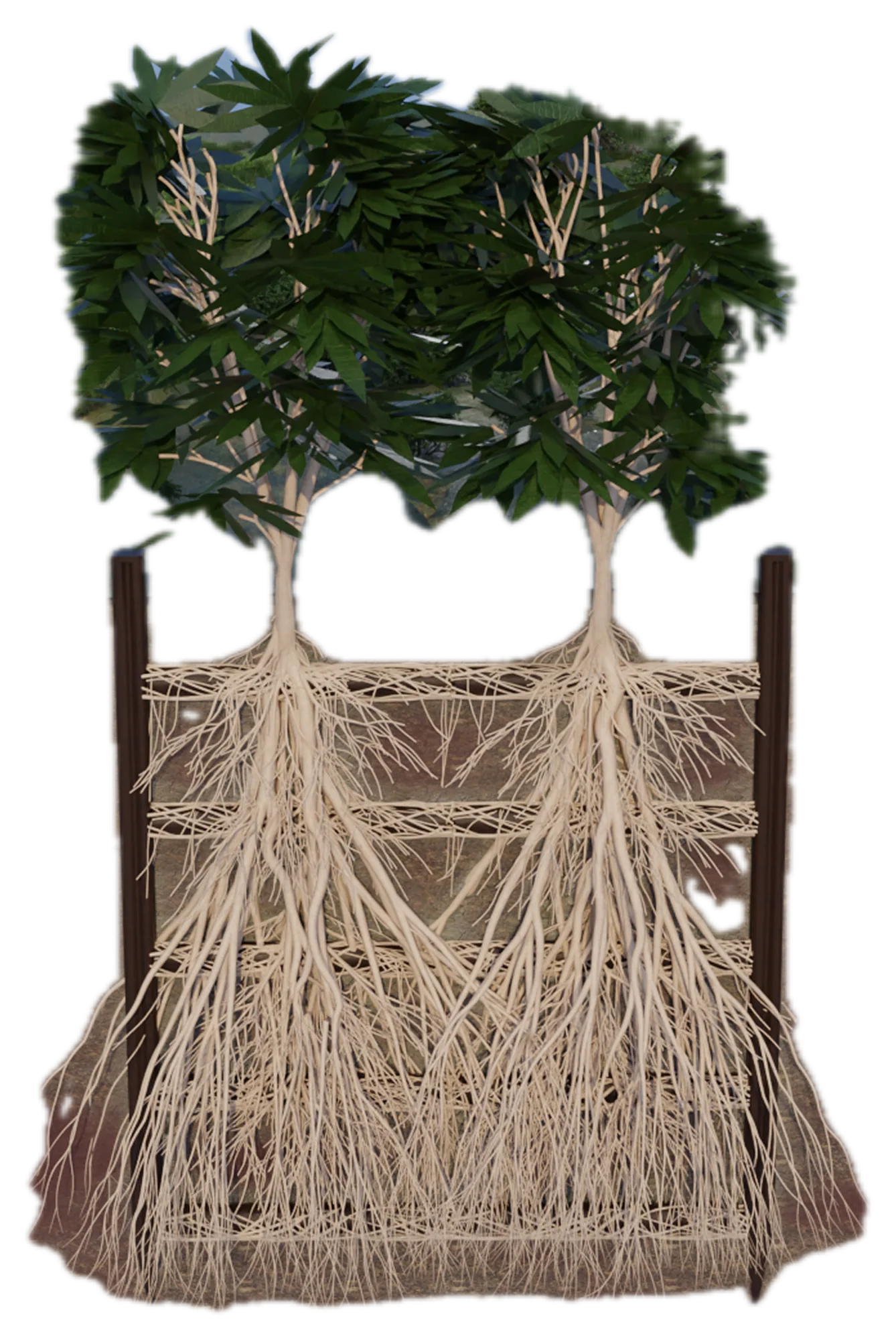
Engineered deep-rooting cassava, inoculated fungi and modular gates with embedded sensors. Roots protects Mrima Hill's farmland while giving mining companies a lower-cost, data-backed way to meet their closure obligations.
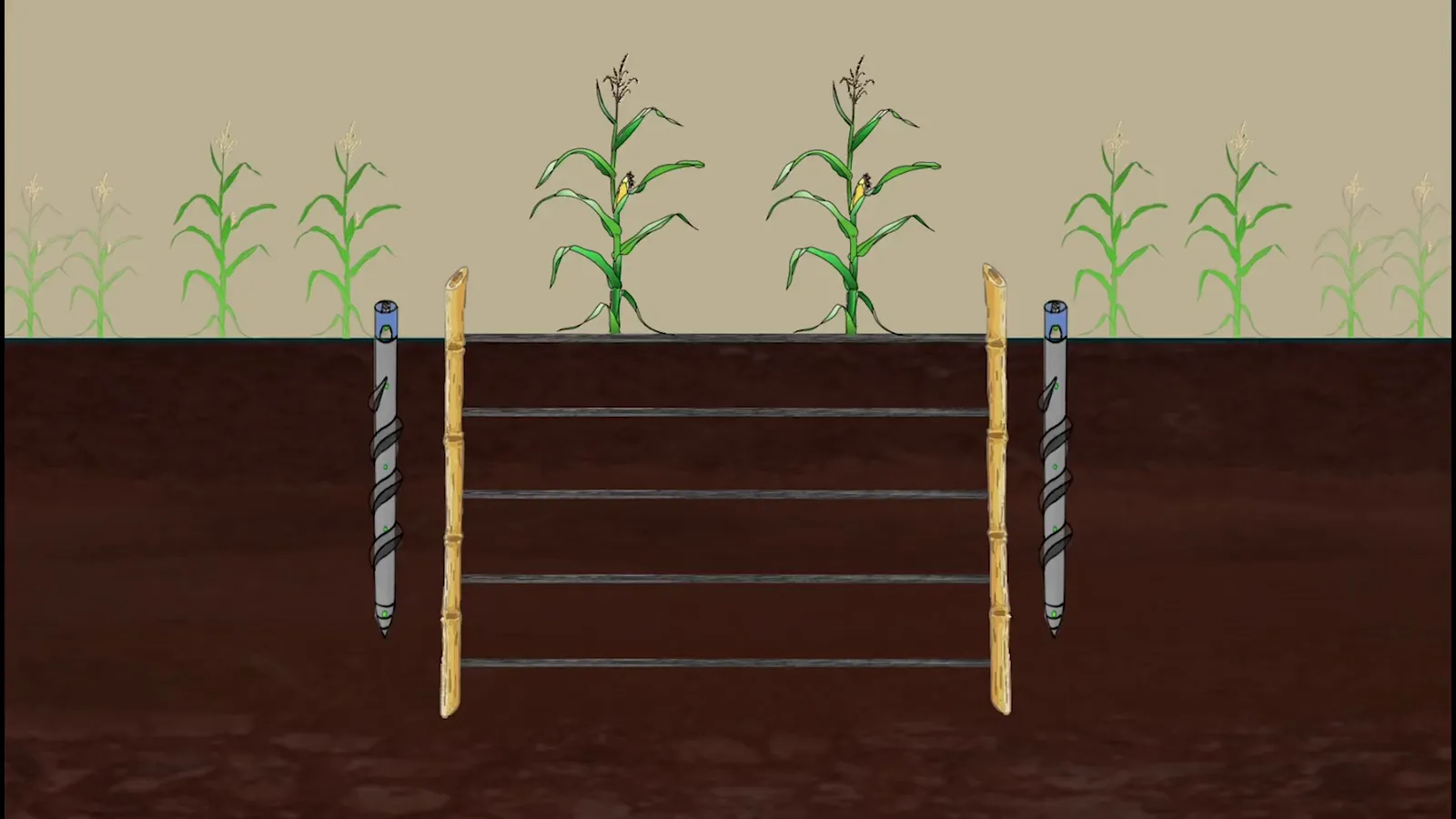
Engineered deep-rooting cassava or maize, planted along the gates.
Inoculated fungi colonise the root zone and help pull rare earths from the soil.
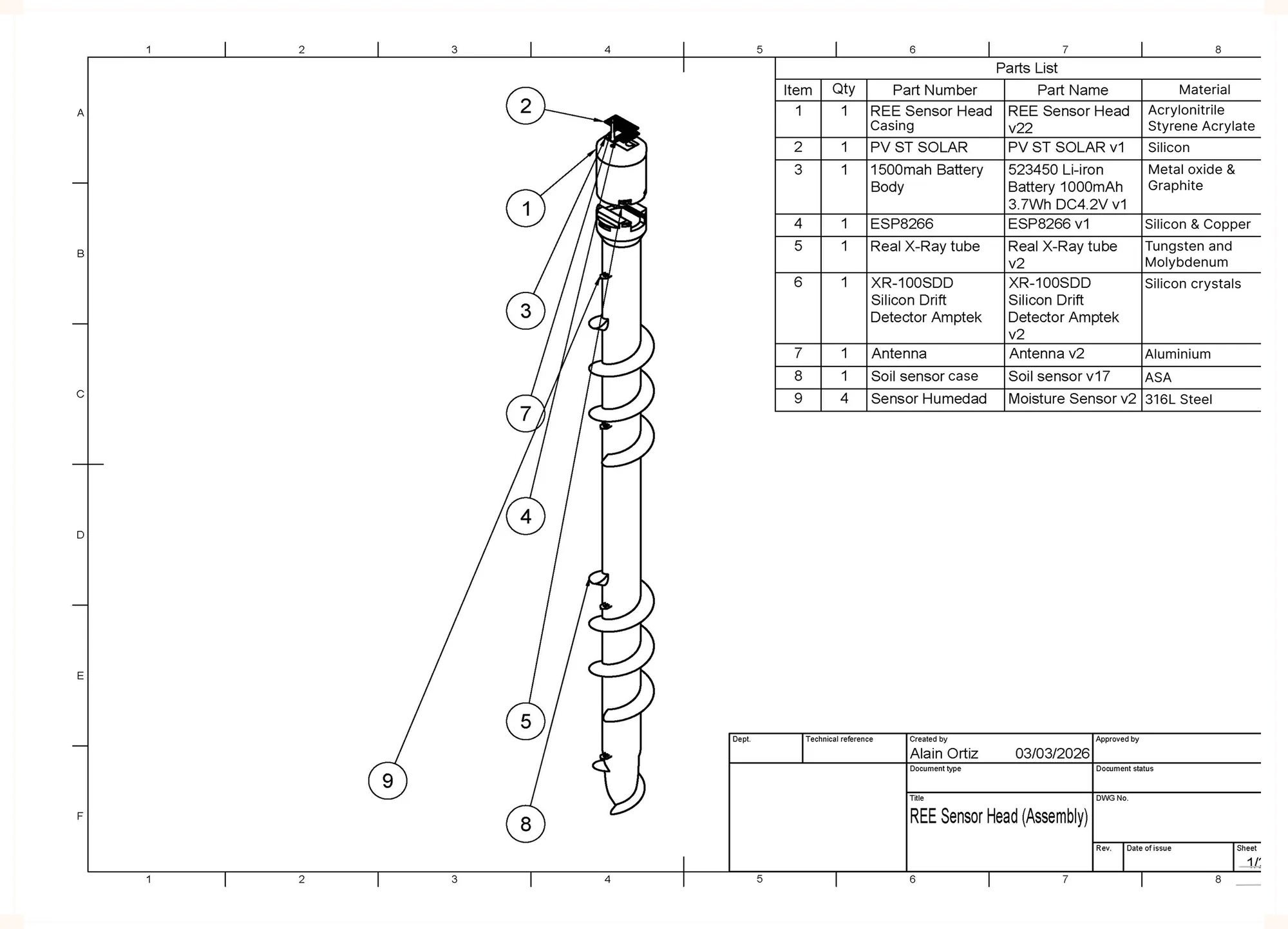
Posts anchor the rails and carry the sensing probes.
- Brief
- Look 20 years into the future and explore food.
- Role
- Project lead: product development, the report and presentation, validation requirements, biological validation, and meetings with CESMECC and mining representatives.
- Outcome
- A 30-year system predicted to take up 41 t of rare earth elements and grow the safe zone by 296%.
Conventional remediation is too expensive, disruptive and data-poor to sustain local livelihoods.
- 01
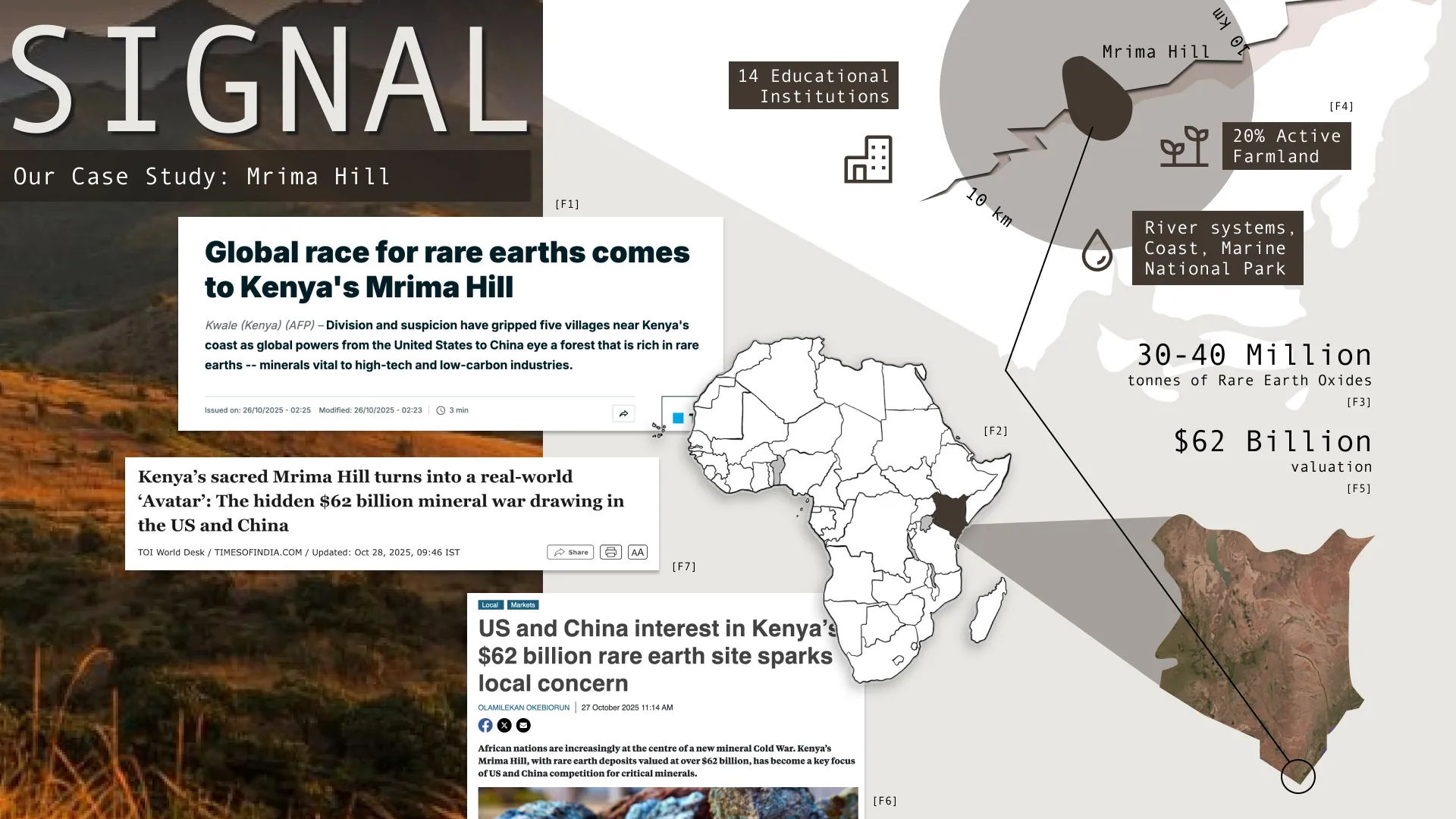
Signal
A $62 billion deposit beneath the farmland people rely on.
- 02
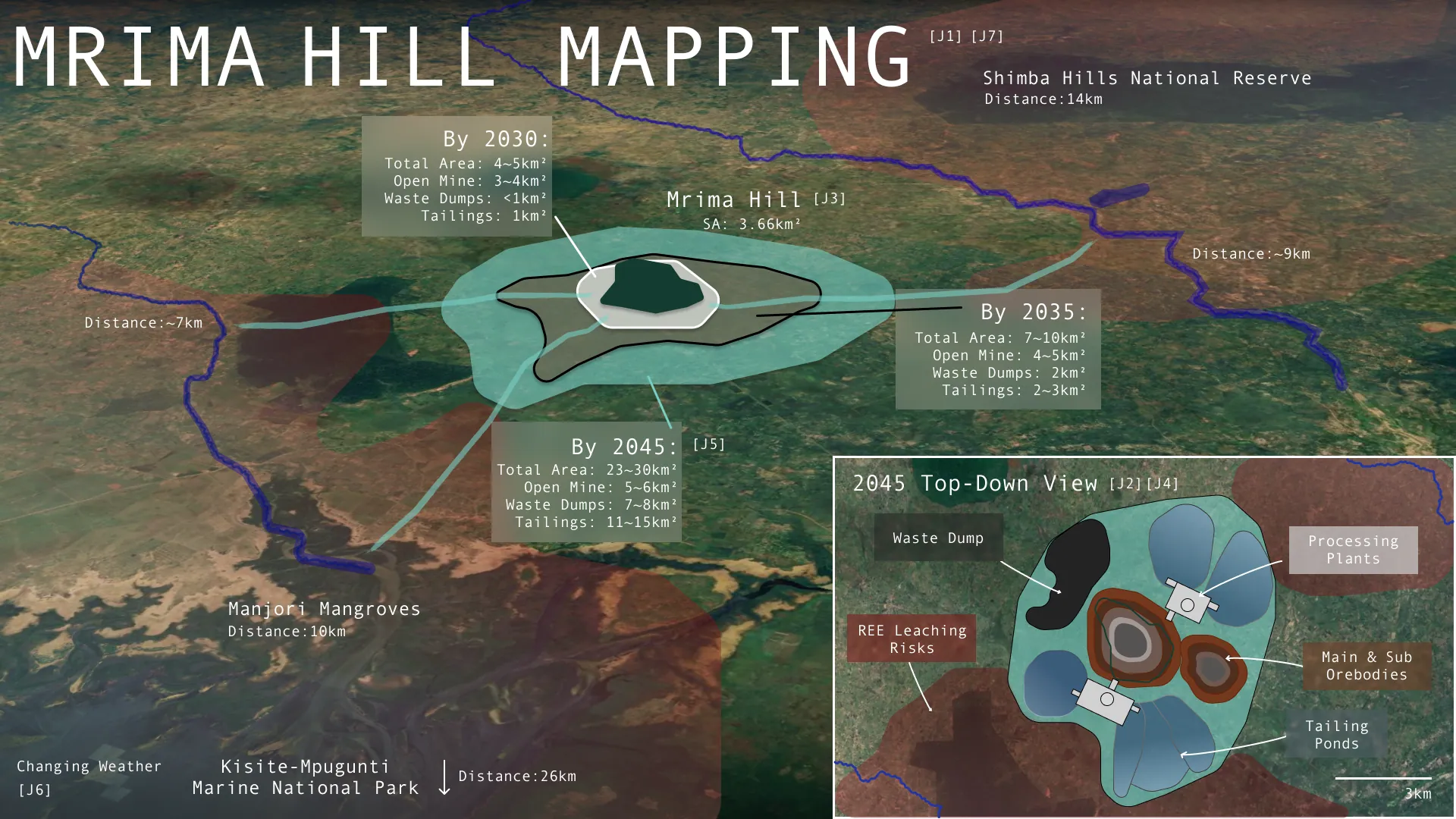
Site
Mrima Hill, mapped: where contamination spreads, and who it reaches.
- 03
Sense
A probe in every post samples rare earth levels at several depths.
- 04
Share
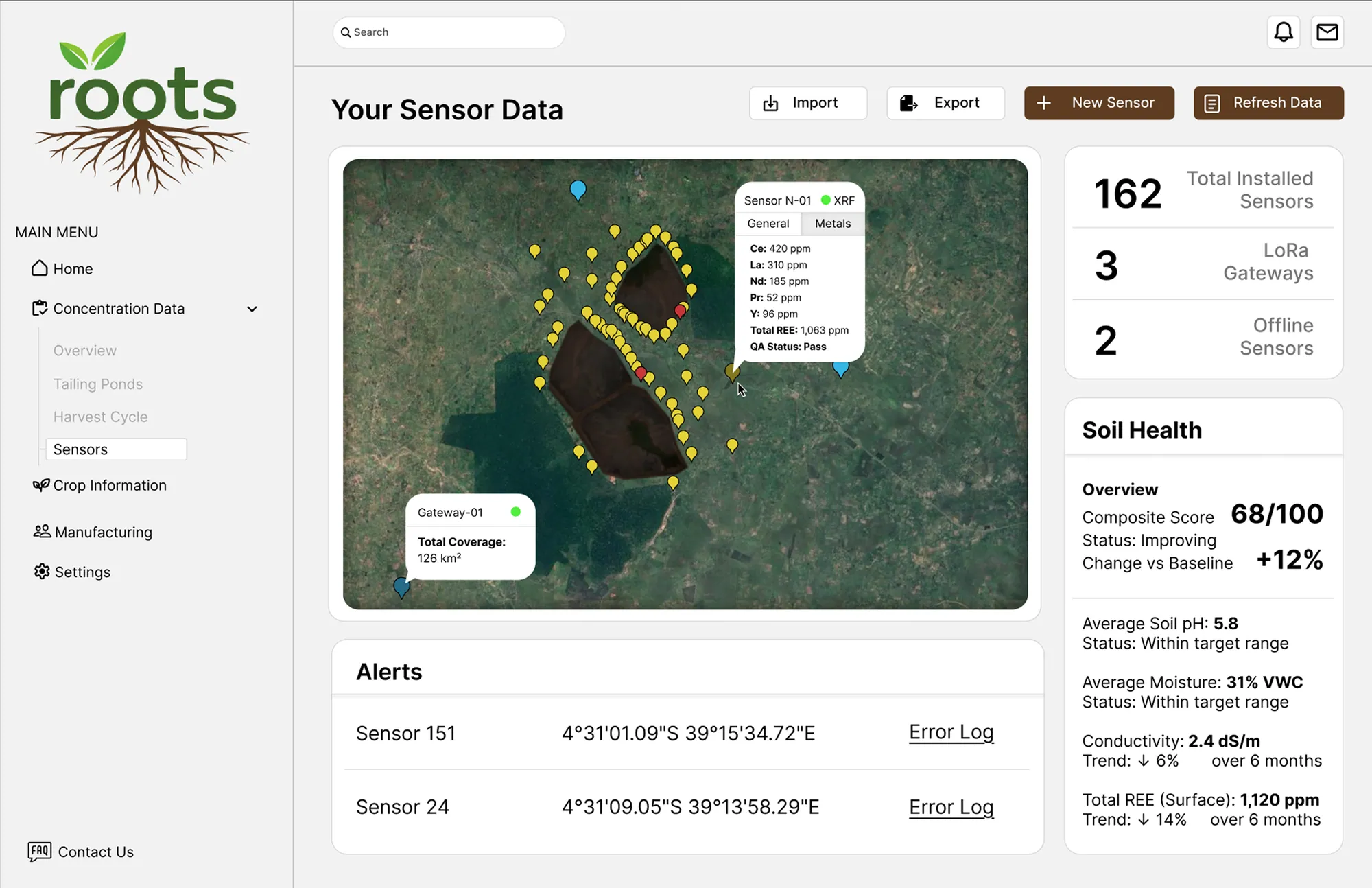
One dashboard turns the readings into maps and reports for every stakeholder.
- 05
Effect
Contamination over 26 years, without Roots and with it.